

More Americans are exploring the idea of buying property in New Brunswick, drawn by affordability, lifestyle, and proximity to the U.S.
What U.S. Buyers Need to Know Before Buying a Home, Land, or Investment Property
Every year, more Americans start looking north.
Sometimes it’s lifestyle. Sometimes affordability. Often it’s the appeal of more space, privacy, or waterfront property at a price that’s getting harder to find in many parts of the United States. Occasionally its political, but we won’t get into that!
And increasingly, New Brunswick is part of that conversation.
Before we go any further, it’s worth saying this:
Americans buy and sell property in New Brunswick all the time.
While this guide may seem detailed, most transactions go smoothly with the right team in place. The key is understanding where the differences are, asking the right questions early, and surrounding yourself with professionals who understand cross-border purchases. You’re going o have to supply your team with the information you need, but most of this will be taken care of by them.
Why New Brunswick Is on the Radar for U.S. Buyers
New Brunswick is consistently one of the more affordable provinces in Canada, particularly for:
- Waterfront properties
- Rural homes and acreage
- Recreational and seasonal properties
It’s also geographically accessible from the U.S., with border crossings into Maine at places like:
- Calais / St. Stephen
- Houlton / Woodstock
- Van Buren / St. Leonard
For many buyers, that combination of affordability + accessibility + lifestyle is what makes New Brunswick worth a closer look.
Can Americans Buy Property in New Brunswick?

Yes. In most cases, Americans can legally buy property in New Brunswick.
However, Canada introduced federal legislation that restricts certain foreign buyers from purchasing residential property in specific areas. This was done in an attempt to help with the housing shortage in Canada, and can affect Americans buying property in New Brunswick.
Here’s the practical takeaway:
- The restriction applies primarily to residential property located within Census Metropolitan Areas (CMAs) and Census Agglomerations (CAs). Think Moncton, Fredericton and Saint John
- Much of rural New Brunswick falls outside these areas
- The rules apply to residential property (generally up to 3 dwelling units)
What About Multi-Unit Properties?
The federal rules generally apply to properties with 3 units or fewer.
Properties with 4 or more residential units are typically treated differently and may fall outside the scope of the restriction.
What About Vacant Land or Recreational Property?
This is where wording matters.
Land is generally exempt from the ban, even in Census Metropolitan Areas.
There is no blanket exemption simply because a property is “recreational.”
What matters is:
- Location (inside or outside CMA/CA boundaries)
- Zoning and intended use
- Whether the property meets the legal definition of “residential property” under the Act
In practice, many recreational and rural properties are eligible because they are located outside restricted areas, not because they are recreational.
👉 This is an area where a real estate lawyer should confirm eligibility before proceeding.
Types of Property and What to Watch For
Primary Residence
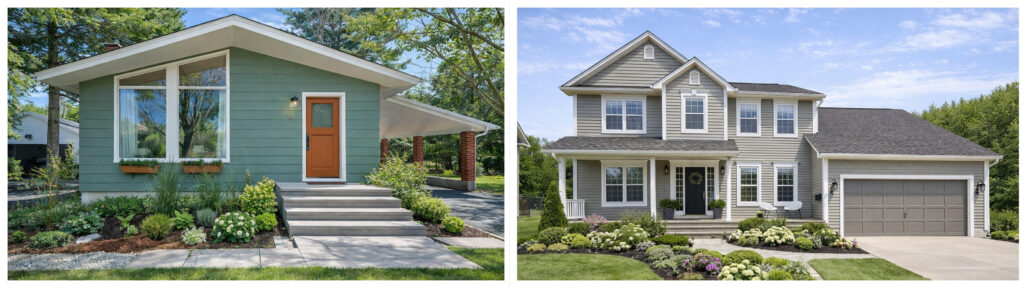
If you’re planning to relocate, immigration status becomes part of the equation.
👉 This goes beyond real estate. Speak with an immigration professional and a lawyer.
Vacation or Seasonal Property
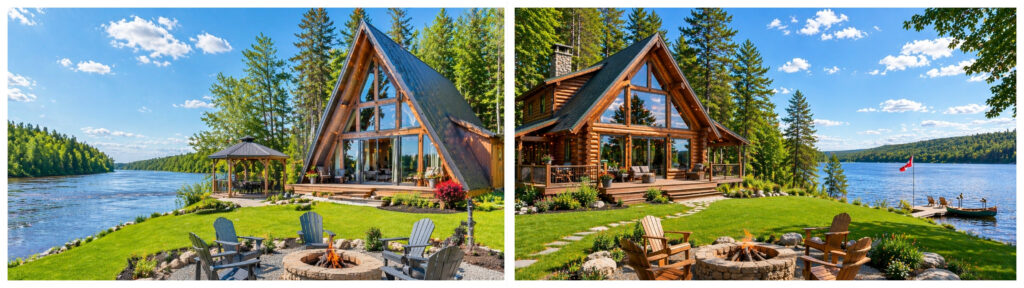
Very common segment among Americans buying property in New Brunswick.
Key considerations:
- Winter access
- Ongoing maintenance
- Insurance requirements
Many insurers require:
- Regular property checks
- A local contact (often a neighbour or property manager)
- Confirmation the property is not left unattended for long periods
Vacant Land
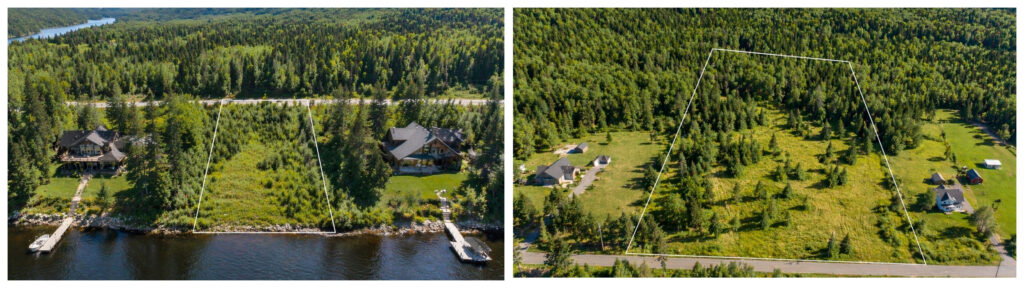
Vacant land can be appealing, but requires careful due diligence:
- Zoning and permitted uses
- Road access (year-round vs seasonal)
- Well and septic feasibility
- Environmental restrictions (wetlands, buffers)
Rental or Investment Property
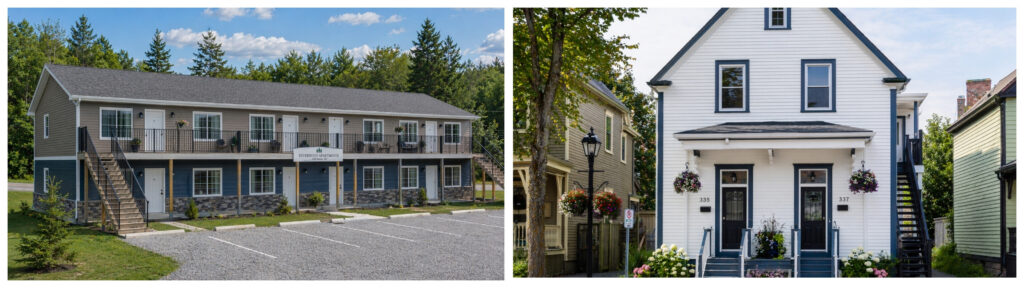
Possible, but more complex for Americans buying property in New Brunswick.
Consider:
- Non-resident tax obligations
- Withholding requirements on rental income
- Ongoing compliance
👉 This is firmly something to review with an accountant before purchasing.
Short-Term Rentals

Not automatically permitted.
May be subject to:
- Municipal bylaws
- Zoning restrictions
- Licensing requirements
Moving Money from the U.S. to Canada

This is often underestimated.
You’re not just sending money. You’re managing:
- Exchange rates
- Fees
- Timing
- Compliance requirements
Common methods:
- Bank wires
- Cross-border banking
- Currency exchange platforms (such as Wise or similar)
Key considerations:
- Exchange rate fluctuations can materially impact cost
- Large transfers require source of funds documentation
- Deposit timing vs closing funds should be planned carefully
👉 A currency specialist or cross-border advisor can add real value here.
Can Americans Get a Mortgage in Canada?
Yes, but with conditions.
Common lender expectations (not legal rules):
- Larger down payments (often 35%+)
- Strong documentation
- Proof of income and assets
- Credit review
Investment properties are often treated more conservatively.

👉 A mortgage broker experienced with non-resident buyers is essential.
The Buying Process in New Brunswick
Working with a REALTOR®
A local REALTOR® helps you:
- Understand property differences (urban vs rural)
- Identify risks that may not be obvious
- Navigate local market conditions

Legal and Closing Process
In New Brunswick:
Closings are handled by lawyers. There are no title companies.
Your lawyer will:
- Conduct title searches
- Prepare closing documents
- Register the transfer
Due Diligence (Especially in NB)
This is where local knowledge matters most.
Key areas to investigate:
- Wells and water quality
- Septic systems
- Road access and maintenance
- Zoning and land use
- Waterfront setbacks and conditions
- Internet availability
Owning Rental Property as an American
At a high level:
- Rental income earned in Canada by non-residents is subject to withholding tax
- Tax filings may be required
- There are options to structure this more efficiently
👉 This should be reviewed with a cross-border accountant before purchase.
Selling Property in Canada as a Non-Resident
This is where clarity matters.
Under Canadian tax rules (CRA Section 116):
- When a non-resident sells Canadian real estate, the seller is required to obtain a clearance certificate from the CRA
- If this is not done, the buyer can become liable for withholding and remitting a portion of the purchase price to the CRA
Because of this risk:
- In practice, the seller’s lawyer will often withhold a portion of proceeds until the clearance process is complete
- This protects both parties
👉 This is why tax advice before listing is critical, not after an offer is accepted.
Other Costs and Considerations
Buyers should plan for:
- Legal fees
- Land transfer tax
- Home inspections
- Insurance (especially for seasonal properties)
- Property taxes
Potential additional considerations:
- Underused Housing Tax (depending on use and ownership structure)
- GST/HST in certain scenarios (new construction, business asset sales of real property)
New Brunswick-Specific Considerations
Rural Properties
- Often rely on well and septic
- Greater maintenance responsibility
Private Roads
- May not be maintained year-round
- Cost-sharing agreements vary
Waterfront Properties
- Subject to environmental regulations and setbacks
- Shoreline conditions vary
Flooding Risk
This is important in parts of New Brunswick, particularly along river systems.
Buyers should:
- Review flood history
- Confirm insurance availability
- Understand seasonal water level changes
Internet Access
Can vary significantly, even within short distances.
Winter Access
Not all roads are maintained year-round.
Absentee Ownership
If you’re not living there full-time:
- Regular property checks may be required
- Insurance conditions must be met
- Maintenance planning is essential
What a REALTOR® Can and Cannot Advise On
I can help you with:
- Property selection and market insight
- Local risks and opportunities
- Navigating the buying process
- Connecting you with the right professionals
What should be verified elsewhere:
- Legal eligibility → real estate lawyer
- Tax implications → accountant
- Financing → mortgage broker/lender
- Moving funds → currency specialist
Final Thoughts
New Brunswick offers something increasingly rare:
Affordability, space, and a lifestyle that’s hard to replicate in many parts of North America.
For U.S. buyers, it’s a very real opportunity.
And while there are additional steps involved in a cross-border purchase, this is not unfamiliar territory. With the right guidance, the process is manageable, and often far more straightforward than people expect.
If you’d like a clearer picture of what’s currently available in New Brunswick, you can sign up to receive a tailored list of properties that match your goals, along with updates as new listings come on the market.
Sellers, Click HERE!

Disclaimer
This article is for informational purposes only and does not constitute legal, tax, financial, or mortgage advice. Rules and regulations can change, and individual circumstances vary. Buyers should consult with a qualified real estate lawyer, cross-border tax professional, mortgage advisor, and financial specialist before making any decisions.
Tim Clancy — REALTOR®
REMAX East Coast Elite Realty
506-567-8541
tim@timclancy.ca
timclancy.ca

❓ Frequently Asked Questions
Buying Property in New Brunswick as an American
Can Americans legally buy property in New Brunswick?
Yes, in many cases Americans can legally buy property in New Brunswick. However, Canadian federal rules restrict some foreign buyers from purchasing residential property in certain urban areas. Many rural and waterfront properties fall outside those areas, but eligibility should always be confirmed with a real estate lawyer before proceeding.
Is it difficult for Americans to buy property in Canada?
Not necessarily. Americans purchase property in Canada regularly. While there are additional steps, especially around taxes, financing, and moving money, the process is generally straightforward when you have the right professionals involved.
Do Americans need to be Canadian residents to buy property?
No, you do not need to be a Canadian resident to purchase property. However, owning property does not grant residency or immigration status. If you plan to move to Canada full-time, you should speak with an immigration professional.
Can Americans get a mortgage in Canada?
Yes, some Canadian lenders offer mortgages to non-residents, but requirements are typically stricter. Larger down payments, strong financial documentation, and proof of income are commonly required. Speaking with a mortgage broker familiar with non-resident lending is recommended.
How much is the down payment for U.S. buyers?
Down payment requirements vary by lender, but non-resident buyers are often expected to put down 35% or more. This is not a fixed rule, but a common lending practice.
Do Americans pay tax on rental income in Canada?
Yes. Rental income earned in Canada by non-residents is generally subject to withholding tax and reporting requirements. A cross-border accountant can help structure this properly and ensure compliance.
What happens when an American sells property in Canada?
When a non-resident sells Canadian real estate, they must follow CRA procedures, including obtaining a clearance certificate. If this is not handled correctly, there can be withholding requirements. This is typically managed through the lawyers involved, but tax advice before listing is strongly recommended.
Is land transfer tax the same for Americans?
Yes. Land transfer tax in New Brunswick generally applies the same way regardless of residency. It is typically 1% of the greater of the purchase price or assessed value, but your lawyer will confirm the exact amount.
Can Americans buy waterfront or rural property in New Brunswick?
In many cases, yes. These types of properties are often located outside restricted areas and are among the most common purchases for U.S. buyers. That said, eligibility should still be confirmed before proceeding.
Are there extra costs for American buyers?
There can be. In addition to standard costs like legal fees and inspections, buyers should be aware of:
- currency exchange costs
- potential tax obligations
- financing differences
Do I need a lawyer to buy property in New Brunswick?
Yes. In New Brunswick, a lawyer is required to complete the transaction. There are no title companies handling closings.
Is buying property in New Brunswick a good investment?
That depends on your goals. New Brunswick offers relatively affordable real estate and strong lifestyle appeal, but investment decisions should be based on your financial situation, timeline, and risk tolerance. It’s best to speak with a financial advisor or accountant when considering investment property.
What should Americans be most careful about when buying property in New Brunswick?
Some of the most important things to investigate include:
- zoning and permitted uses
- well and septic systems
- road access and maintenance
- waterfront regulations
- flood risk in certain areas
A local REALTOR® can help identify these risks early.


